In the Homeland of Taekwon-do
In the Homeland of Taekwon-do

South Korea – this is where taekwon-do was created, becoming one of the most popular martial arts in the world. For the first time in history, a group of instructors from our club had the opportunity to visit the homeland of taekwon-do to train and get to know this beautiful country.
At the beginning of July, 5 KCT instructors set off on this distant journey: Mikołaj Kotowicz, Karolina Czech, Magdalena Kotowicz, Michał Krupa and Rafał Żelazko. The journey lasting many hours began in Balice, followed by a stopover and a longer layover in Helsinki, a long flight to Incheon Airport and a short train journey from the airport to the centre of Seoul.


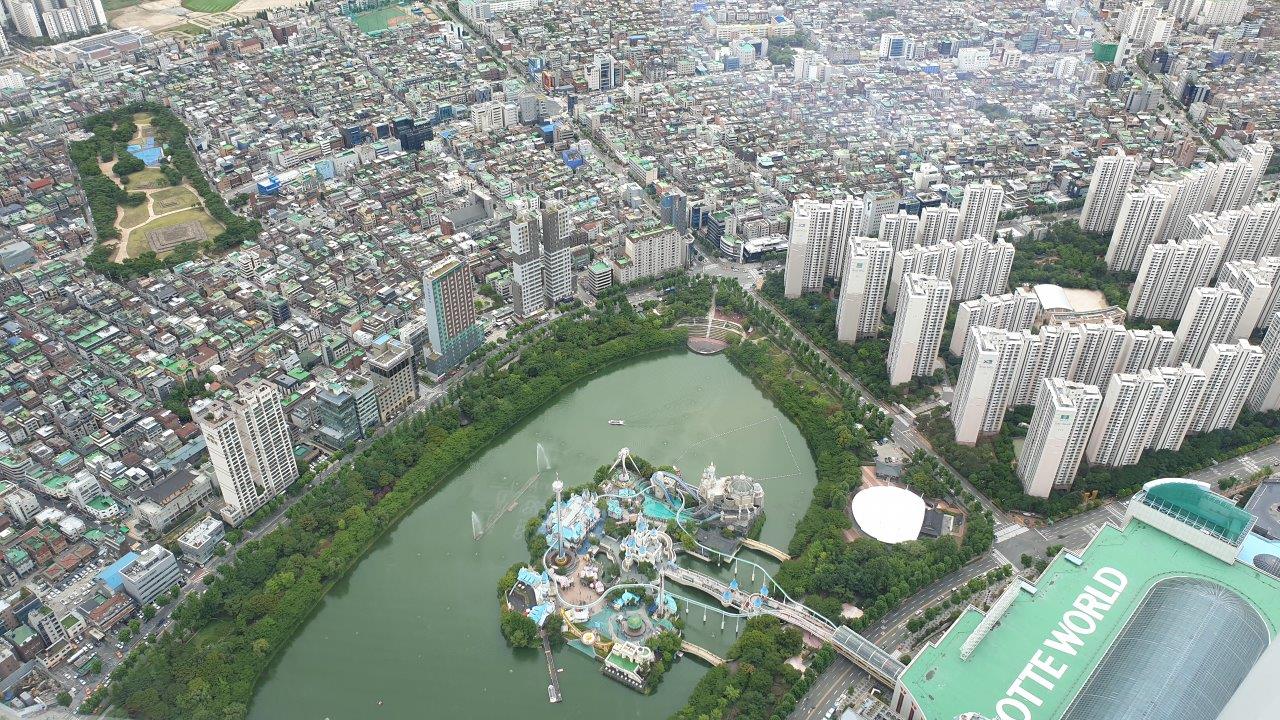
The capital of Korea turned out to be a truly enormous city. More than 20 million people live throughout the metropolitan area, and the city seems to have no end, as we could see while standing on the 120th floor of Lotte World Tower, one of the tallest buildings in the world. A map of Seoul’s metro network looks like a tangle of vines in the Amazon jungle. The city consists of modern skyscrapers, rather unattractive low-rise buildings from the 1970s and 1980s, and impressive medieval monuments – palaces, gates and temples, only some of which we managed to see.

We had the opportunity to train with Master Sean Yu, secretary general of the South Korean ITF organisation, who runs a dojang in the southern part of Seoul. His classes do not resemble a standard training session; they are more like studies of taekwon-do. We were able to correct and practise kicking techniques.


The second important point on our map was Kukkiwon – the headquarters and training centre of Olympic taekwondo. On that day, demonstration teams from all over the country were giving performances. Watching Koreans soar 4–5 metres into the air while breaking 5 boards in a single jump, we were deeply impressed.


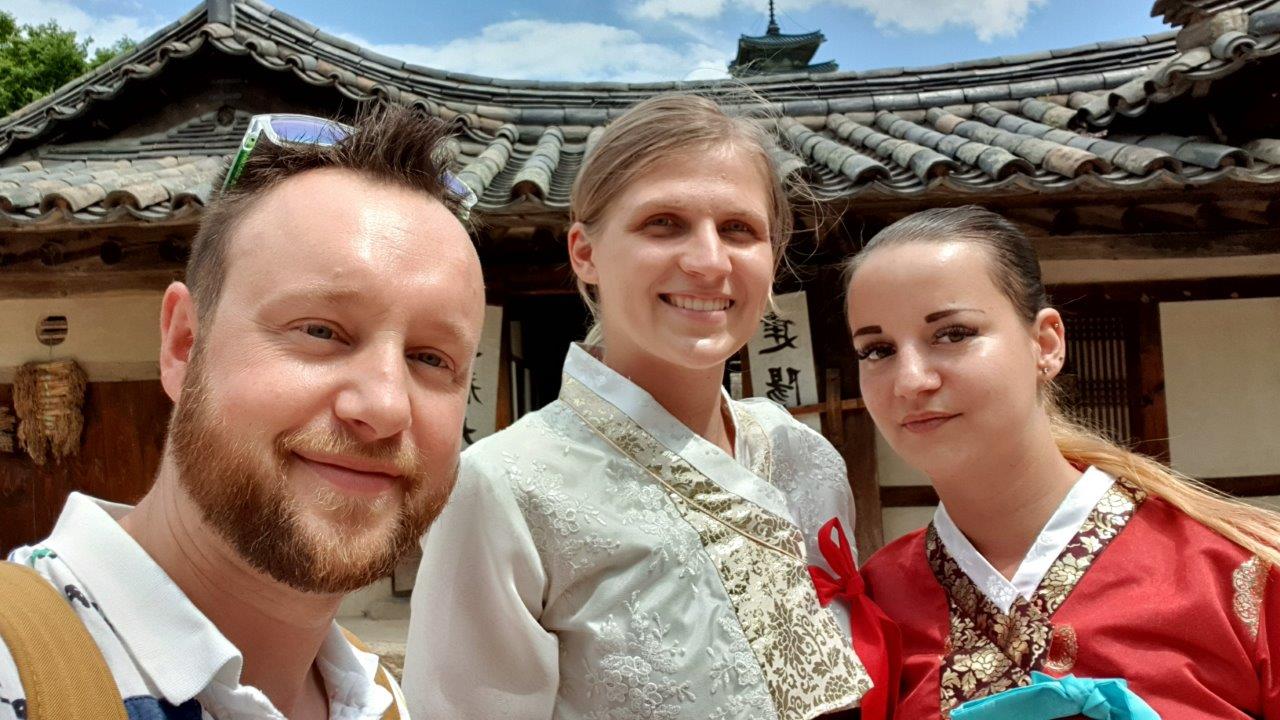
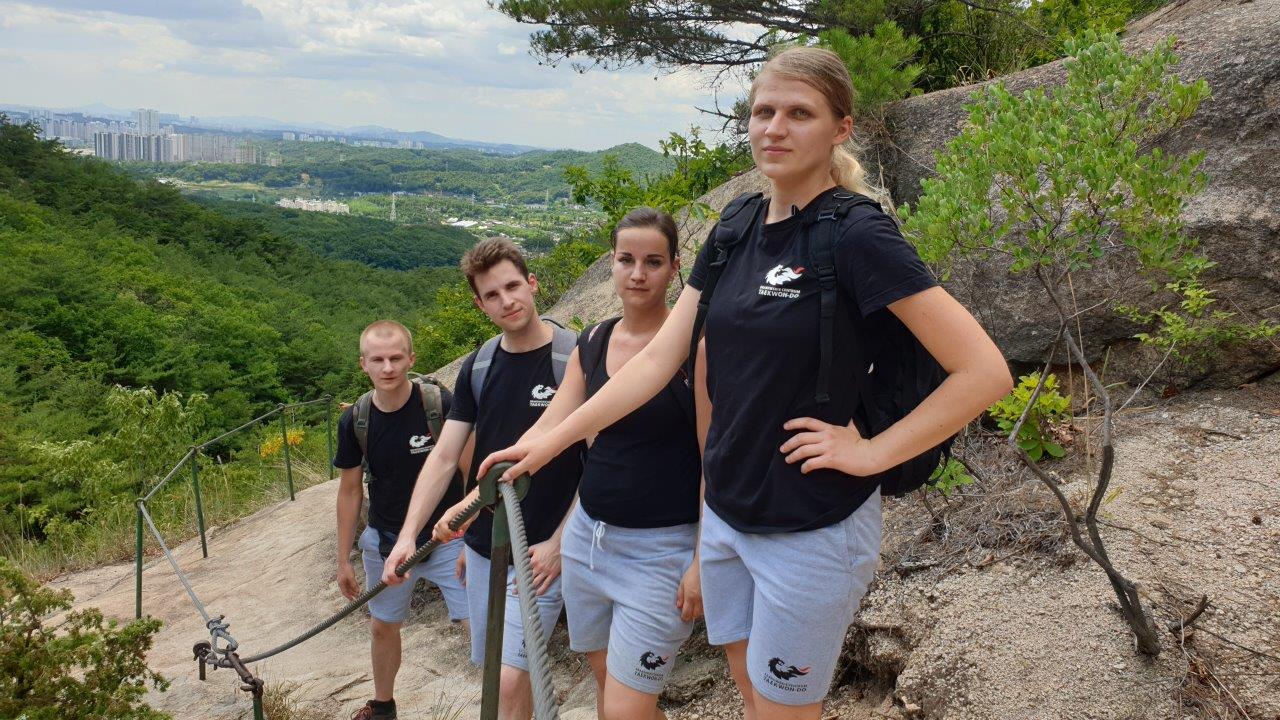
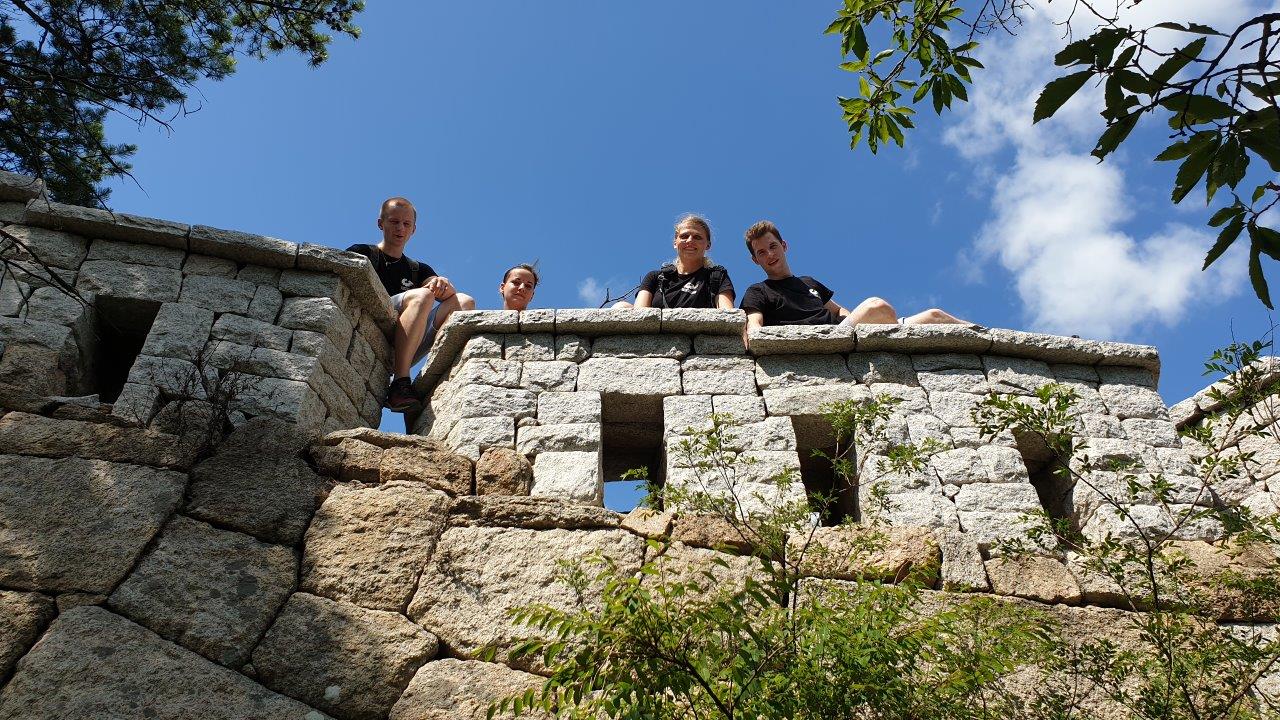
It was an extraordinary opportunity to learn about Korean culture. We were impressed by the palaces: the imperial Deoksugung and the royal Gyeongbokgung and Changdeokgung. The Korean museums of Korean History and War also made a strong impression on us. The mountains in Bukhansan National Park were incredible. Above all, we savoured Korean cuisine. On every street there are countless eateries serving bulgogi, kimchi in various forms, pork and seafood dishes, as well as mandu dumplings.






The return journey went by much faster, but the emotions remained with us. We invite you to view the photos and videos on our websites, Facebook pages and YouTube channels.